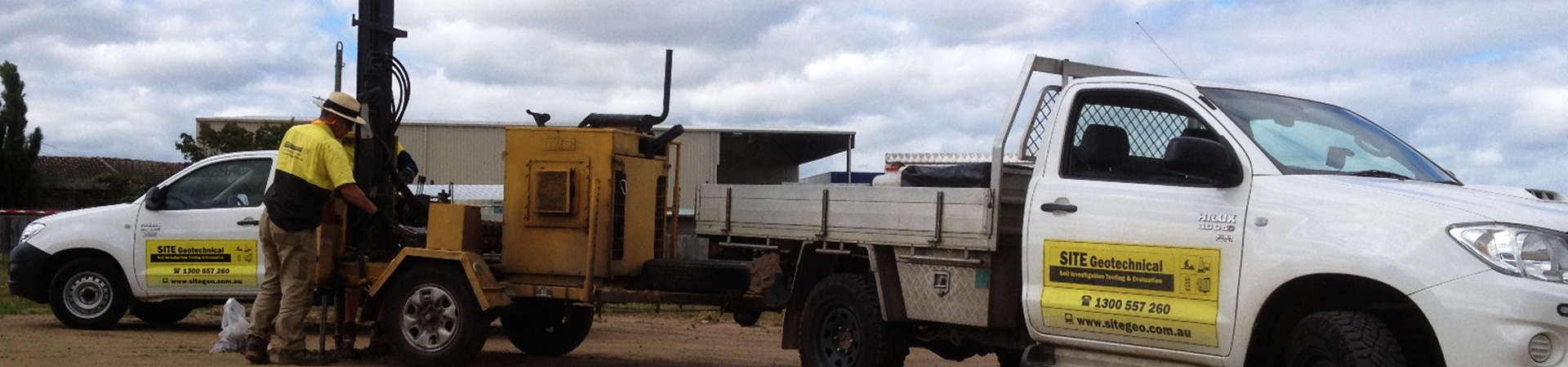
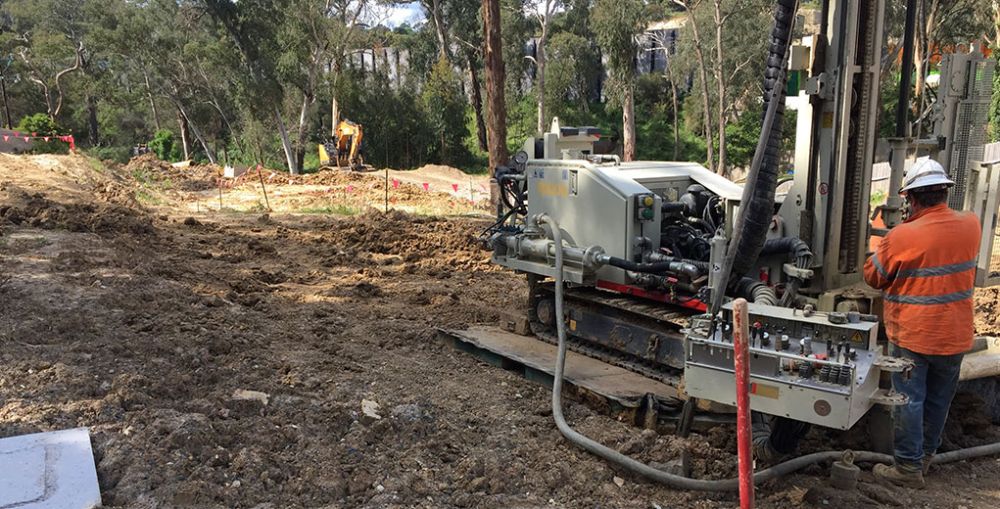
Construction can be an expensive game, but what if there was a way to save a lot of money before you even start? Builders mainly focus on what is above ground. Meanwhile the important information that can bring project costs down are underground.
A geotechnical survey looks at what is underground beneath your project site. It can inform you of the best foundations to lay so your project above ground is solid and safe. Understanding the ground beneath your feet can literally save you millions of dollars.
In this article we’ll explain what is involved with a geotechnical survey, why your project needs one before construction begins and how it can reduce costs for your project.
A geotechnical investigation, or survey, is an exhaustive investigation and thorough report on a site’s soil, rock, and groundwater properties. This helps to assess if the ground can support planned construction.
The comprehensive report we produce identifies potential issues that could impact your building, such as high water tables and the risk of seepage, or instability under the ground. It can also identify where there is solid ground for better strength to support buildings.
It shows how much weight a soil area can bear. What the compressibility of soil is, its strength and ability to be stable under varying conditions.
This report is a guide, a map, helping engineers navigate the complex nature of the surface soil and what lies beneath. Knowing all of this information allows for smart decisions to be made now, rather than having to fix costly problems later. It can give you confidence knowing you’re building somewhere safe, and building something that will last a long time.
There are a few different kinds of tests we can do in a geotechnical survey.
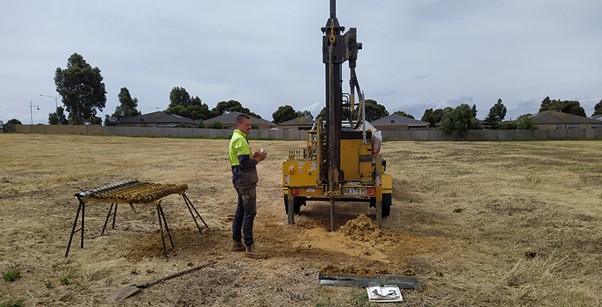
There are many good reasons you need a comprehensive geotechnical report from Site Geotechnical.
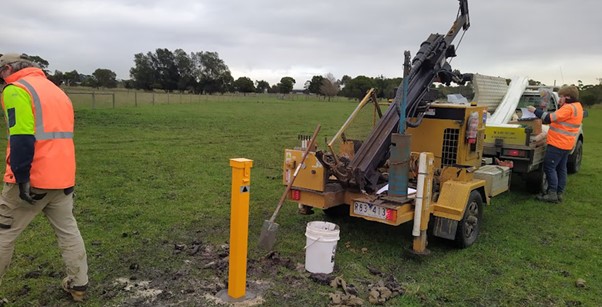
You’ve read what a geotechnical survey is and why you need one. We’re now going to extrapolate from that and show you how it will reduce risks on your building site and reduce the costs of your project both potentially and actually.
Knowing with certainty what lurks in the ground allows engineers to design the most suitable and cost-effective foundation system for your project. The choice can be made between shallow footings versus digging and installing deep pile foundations.
This knowledge prevents under-design that can lead to building failure, and over-design which wastes valuable time and materials.
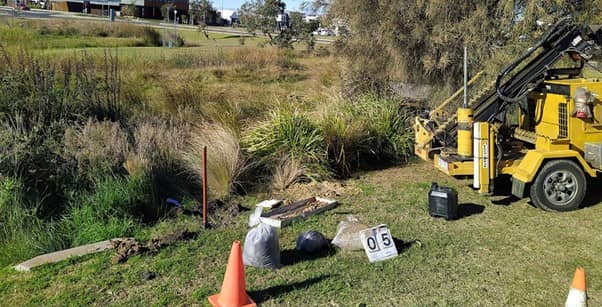
Eliminating guesswork and estimation through geotechnical reports and soil/rock summaries leads to more accurate budgeting and costs. You are more able to accurately budget for manpower, time and materials.
This accuracy can also give you a stronger case for securing finance for our project. It can also reduce the likelihood of needing emergency funds at a later date.
Builders can use the right materials for the right job, first time. More accurate orders of materials can be made as well, eliminating overheads and wastage.
For example, knowing the soil composition leads to correct drilling for foundations, which leads to knowing just how much concrete is required for the foundations, reducing wasted concrete from the pour.
Buildings which rest on solid and stable foundations, thanks to stable ground beneath them, have fewer issues such as uneven settlement or structural deterioration over time. This can save a lot of money on structural maintenance down the years.
The more information you have about a subject the better you can make decisions. Having a Geotechnical survey can help you plan future developments on the same property.
Further projects on site can be planned with efficiency, saving time and money. It can also lead to ideas and expansions you may not have thought of, such as excavations where you thought it may not be possible with the bedrock.
A good quality geotechnical survey will give you extensive knowledge to make key decisions for your project that will save you time and money and heartache. We offer comprehensive and accurate geotechnical services for the greater Melbourne area, and rural locations such as Gippsland and Melton. Our team brings over twenty years of success with us to every job.
You can give our team a call on 1300 557 260 or drop us an email with our online contact form and we can discuss your future projects and how our team can work hand in hand with yours.
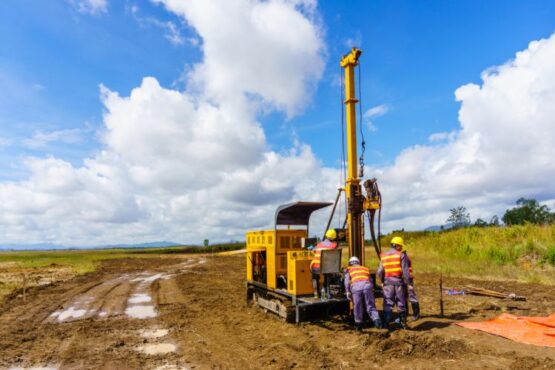
A successful building project starts with the soil foundation. Learn why conducting a geotechnical survey before construction is crucial for stability and efficiency.
You may not think much about the pavement beneath your feet, but a great deal of planning and preparation goes into the design, creation and laying of pavement. Pavement design in particular needs a lot of careful thought, as it is used in critical infrastructure projects such as the building of major highways, warehouses, large […]
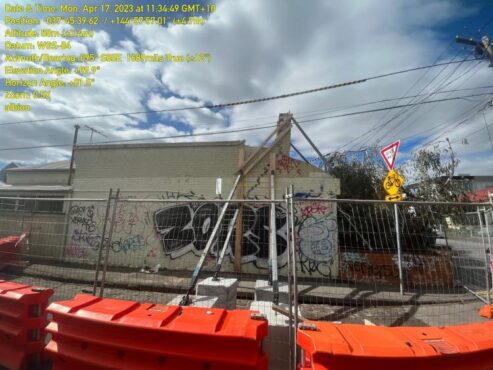
Have you noticed cracks in the walls or ceiling of a building? Are your doors or windows no longer closing easily? Small cracks are no cause for alarm, but larger ones are the signs of a distressed building, and the underlying cause needs to be looked into straight away. A distressed building will need more […]
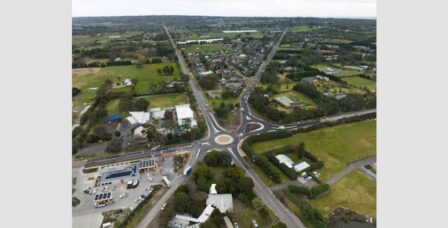
Having the right or wrong pavement design can make millions of dollars difference in a project. That’s why it’s so important to do your pavement design correctly the first time around, and this includes choosing the right team of pavement engineers for the job. Pavement design is about more than footpaths–it actually influences all kinds […]
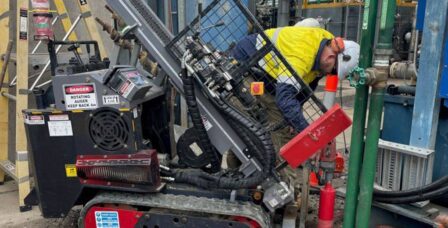
Geotechnical site investigations often involve the use of a drilling rig in a wide and open space, but what if the areas you are trying to work on have size or access constraints? In these circumstances, you’ll need access to geotechnical drilling technologies that can work for both small and large-scale infrastructure projects. This is […]
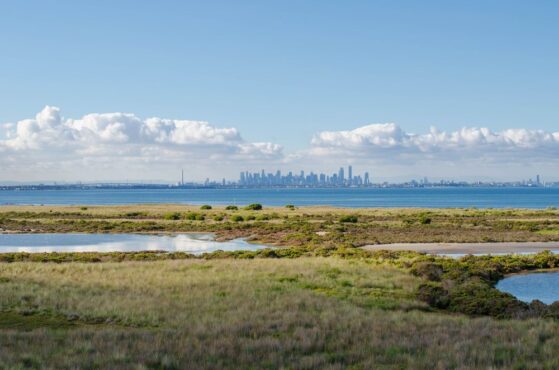
At Site Geotechnical, we understand that wetlands play an essential role in land development projects across the country. While most of our clients are already familiar with their environmental benefits, such as flood mitigation and water quality improvement, our focus is on the geotechnical considerations that can help wetlands perform reliably and sustainably. Let’s discover […]
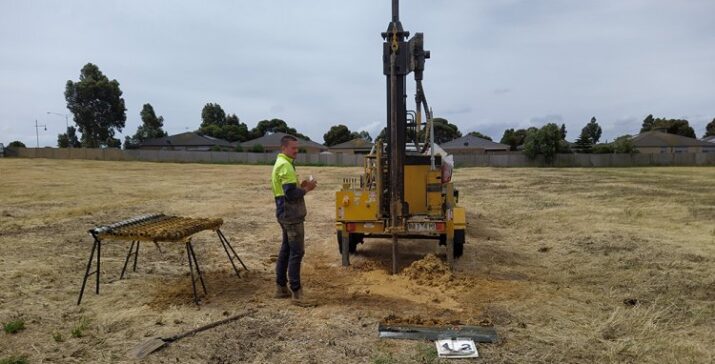
In the midst of planning a construction project? Whether you’re building a road, a bridge, a commerce centre, or a dam, the earth you’ll be working with can have a profound impact on the success of your project. Geotechnical services consist of many different types of studies and tests on a particular site that delve […]
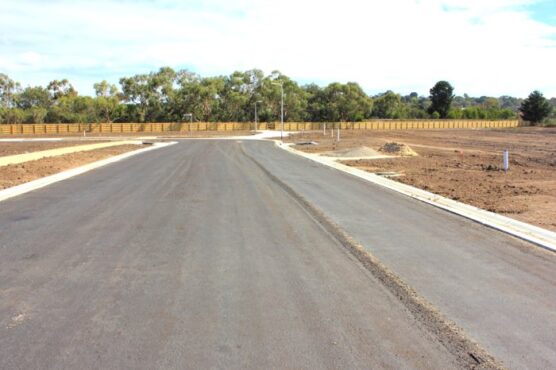
When you think of recycling, your mind might immediately go to paper or cans, but did you know recycled construction and waste materials play a strong part in pavement design in Melbourne as well? Pavement is everywhere, from our sidewalks and personal driveways to roads, construction platforms and rail trails. Expanding cities are constantly creating […]
For two decades, SITE Geotechnical Pty Ltd has been at the forefront of geotechnical engineering, providing expert investigations and recommendations that ensure strong, lasting foundations for infrastructure and development projects. Our journey from a small consulting firm to a leading geotechnical service provider in Victoria has been defined by innovation, expertise, and an unwavering commitment […]
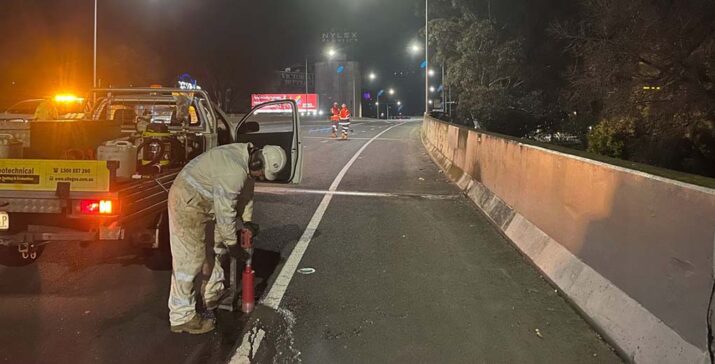
In the world of infrastructure, maintaining and upgrading pavements is a constant challenge. Victorian roads endure heavy traffic, harsh weather, and can simply wear down over time, often leading to deterioration that demands action. Historically, a full reconstruction—ripping out old pavement and starting fresh—has been the go-to solution. But there’s a smarter, more sustainable alternative: […]
 1300 557 260