
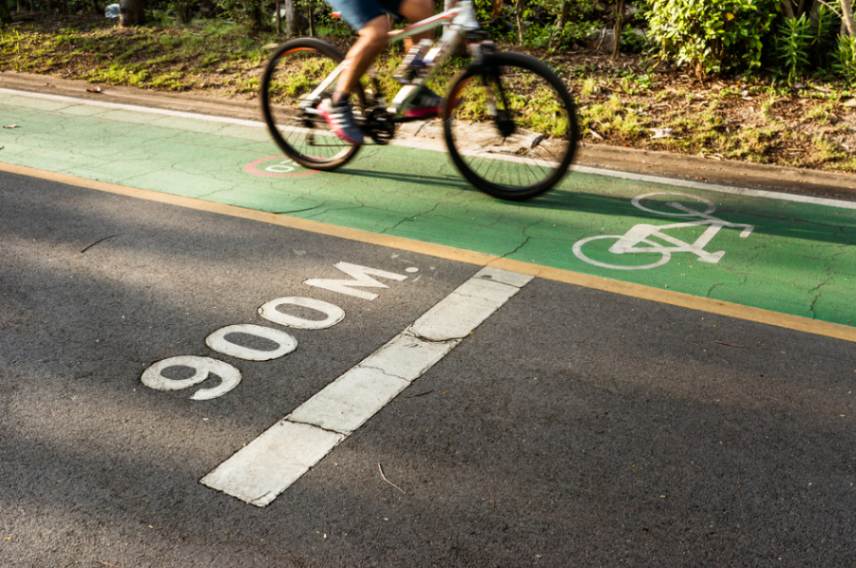
Pavements for roads are generally designed to last 20 years. We have seen many pavements outlast their design life; however, at some stage every road will need to be upgraded–be that through rehabilitation or full reconstruction. Over time, asphalt (and even concrete for that matter) will deteriorate over time. Most of the wear and tear comes from traffic, namely heavy loads from trucks, and the environment, including weather, oxidisation, and various other conditions it has to endure.
Pavement rehabilitation considers re-use of the existing pavement assets and upgrading them through rejuvenation like stabilisation, asphalt overlays, reinforcement, drainage improvements, and strengthening. Meanwhile, reconstructing is about essentially removing the existing pavement and replacing it with a new one.
In many cases, while the decision is related to cost savings, it should also be related to practical considerations. Sometimes, an old road is beyond rehabilitation because the structural adequacy is well below that of what is required and leaves no other choice but to reconstruct. Nevertheless, in many cases a well-designed and constructed road that was built in excess of 20 years ago may require minimal treatment to see it last another 20+ years.
We’re going to go through both pavement reconstructions and rehabilitation, including what they are and when you need to use them.
Let’s begin.
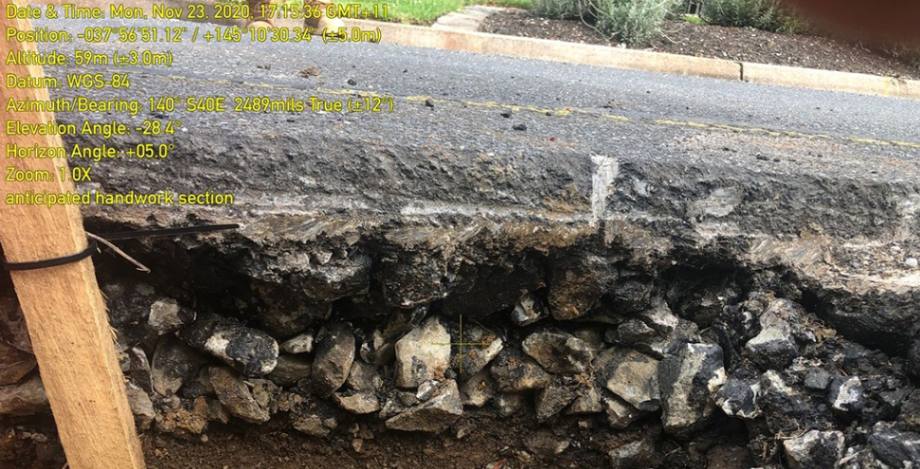
A full pavement reconstruction is an intense, lengthy and labour-intensive process that will see the old pavement ripped up entirely and new, fresh pavement laid down in its place. Every layer of the pavement will be removed in a reconstruction. Not to say consideration could be given to salvaging some of the existing pavement materials and considering re-use!
RAP is short for Recycled Asphalt Pavement and is a common reused material. Another material often used from salvaged material is RC or Recycled Concrete (concrete which is crushed at a 20mm Nominal size and used in place of normal crushed rock in pavements).
Road reconstructions tend to take a long time to complete. However, they also offer a chance for new changes to be made to the pavement’s design, which can help it address any challenges the old pavement was having with factors like traffic, the surrounding environment, level changes and any safety concerns.
A full pavement reconstruction can mean that the road is closed for a few weeks at a time while the old pavement is removed and the new one is put in its place. However, a good design will help it last for decades into the future.
A well-designed pavement won’t need to be fully reconstructed for decades. Make sure to read our article on ‘What You Need To Know About Pavement Design’ for more information on its importance.
Also known as pavement stabilisation or upgrading, rehabilitating pavement is a modern technique that is more attractive than a full reconstruction in many ways. Pavement rehabilitation involves using a variety of techniques to repair and restore the pavement without fully replacing it, and is often begun when the road begins to show signs of issues, before things become too serious.
While there are many different ways to approach pavement stabilisation or upgrading, it generally tends to take less time than a full reconstruction, and is also more affordable. This is because new materials aren’t required nearly as much as a reconstruction–instead, existing materials are improved through additives (like cement or bitumen, for example) to make the original materials stronger, or they are simply partially removed and replaced with higher strength materials to make the overall pavement structure stronger. Another simple example may include profiling out some of the existing surfacing and underlying unbound material and replacing it with asphalt, which is 4 to 5 times stronger.
At Site Geotechnical, any pavement rehabilitation we are planning that involves reusing materials will proceed as follows:
Our tried-and-tested approach to pavement upgrades and rehabilitation is a sustainable one, too. Pavement rehabilitation helps to reduce waste, cut costs, and shorten project timelines, without a dip in quality at any stage.
Do you need pavement design in Melbourne for residential areas? SITE Geotechnical are experienced in performing investigations for new developments all across Victoria.
At SITE Geotechnical, we specialise in performing pavement upgrades and rehabilitation for infrastructure across Victoria. When compared to a full pavement reconstruction, rehabilitation is often faster, cheaper and, most importantly, just as effective in producing pavement you can rely on–sometimes even more so!
It isn’t always obvious when the best time to rehabilitate your pavement is, and if it is a viable option at all. Here are some signs that your project could benefit from our professional pavement rehabilitation services:
If the pavement in question is on the older side, chances are it may start failing or falling apart–but as the saying goes, “a stitch in time saves 9”, and early rehabilitation can save you considerable amounts. An aged pavement may mean it is more prone to cracking, splitting or crumbling, becoming unsafe and unstable to use. Once cracking occurs and water gets into the underlying pavement materials or subgrade soils, the deterioration of a once good pavement can significantly change.
Performing regular pavement investigations and assessments on old pavement is vital to making sure it can still perform under modern conditions. If it can’t, rehabilitation may be in order.
If your pavement has begun to deteriorate, it may not be safe to use any longer. A cracked or uneven surface is a recipe for accidents, further deterioration, and other disasters.
If you want to keep your pavement safe for the public to use, assessing the pavement and rehabilitating it as needed is the perfect way to do so.
Older pavements may be vulnerable to poor drainage designs, and as our climate changes to include hotter weather and heavier rains, they may no longer be able to perform as they once did.
For example, pavement in an area that has begun to flood frequently may not have the drainage designs to handle the excess water. Water may sit on the pavement itself, becoming a driving hazard, or be absorbed underneath, causing the pavement on top to sag unevenly or crack.
Rehabilitating the pavement with an improved drainage system can remedy this issue.
Read more about the benefits of using recycled materials in our blog on ‘Why Recycled Materials Should Factor Into Your Pavement Design’.
Cars and trucks have gotten bigger and heavier over time–look at any road and you’ll see trucks that are far larger than those you grew up with! When combined with the fact that more people own cars and drive more than ever before, it’s no wonder that roads are wearing down faster than they used to.
The continuous monitoring of both major and lesser-used roads can help keep an eye on their deterioration and make it easy to see when rehabilitation is needed. By starting rehabilitation early, rather than waiting and having to perform a full reconstruction later on, the roads won’t need to be closed for nearly as long while they’re worked on.
SITE Geotechnical have worked on major road projects across Victoria needing our pavement design services. We can even craft successful strategies for building on reactive clay soils!
A quick visual inspection is often all that is needed to see if a pavement needs some extra help. The visible presence of potholes, cracks, unevenness and ruts all point to a pavement that is deteriorating and in need of help, fast.
Planning the right type of pavement stabilisation or rehabilitation early can help you get on top quickly, before these cracks and wear make the pavement dangerous to use.
We believe that rehabilitation is always the preferable option, but sometimes, pavement that has been left to weaken for too long will simply not be suitable for stabilisation or rehabilitation. In these cases, full reconstruction will be needed.
Cases that will necessitate reconstruction include:
A pavement investigation will make it clear whether the pavement can be rehabilitated or if reconstruction is the only path forward.
Read more about the benefits of rehabilitation in our blog, ‘The Smart Road Ahead: Why Pavement Stabilisation and In-Situ Material Reuse Outshine Full Reconstruction’.
As specialists in geotechnical engineering in Melbourne, SITE Geotechnical are the team to trust with your pavement. Whether it’s for a roundabout, major freeway or busy town thoroughfare, we are experienced in successfully testing and recommending the best course of action for any pavement.
Contact us for any pavement design in Melbourne you need at 1300 557 260, or fill out our online form with your details and we’ll get back to you as soon as possible. No matter the pavement design services you need, we can assist you in making them happen the right way.
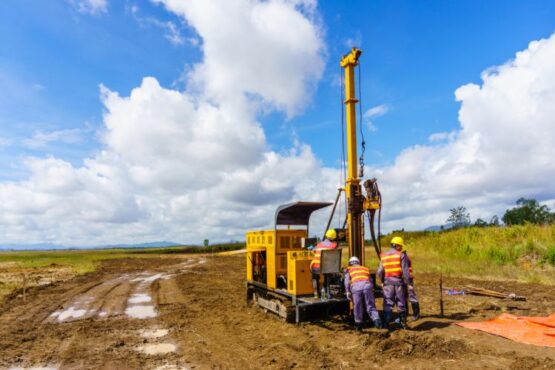
A successful building project starts with the soil foundation. Learn why conducting a geotechnical survey before construction is crucial for stability and efficiency.
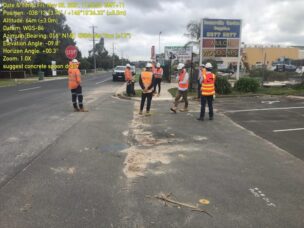
You may not think much about the pavement beneath your feet, but a great deal of planning and preparation goes into the design, creation and laying of pavement. Pavement design in particular needs a lot of careful thought, as it is used in critical infrastructure projects such as the building of major highways, warehouses, large […]
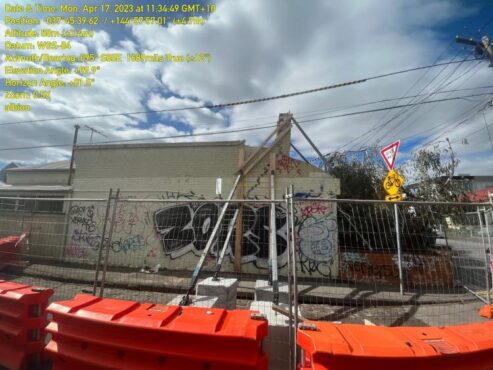
Have you noticed cracks in the walls or ceiling of a building? Are your doors or windows no longer closing easily? Small cracks are no cause for alarm, but larger ones are the signs of a distressed building, and the underlying cause needs to be looked into straight away. A distressed building will need more […]
Having the right or wrong pavement design can make millions of dollars difference in a project. That’s why it’s so important to do your pavement design correctly the first time around, and this includes choosing the right team of pavement engineers for the job. Pavement design is about more than footpaths–it actually influences all kinds […]
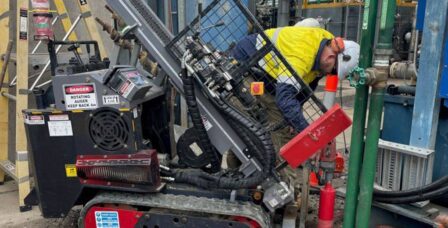
Geotechnical site investigations often involve the use of a drilling rig in a wide and open space, but what if the areas you are trying to work on have size or access constraints? In these circumstances, you’ll need access to geotechnical drilling technologies that can work for both small and large-scale infrastructure projects. This is […]

At Site Geotechnical, we understand that wetlands play an essential role in land development projects across the country. While most of our clients are already familiar with their environmental benefits, such as flood mitigation and water quality improvement, our focus is on the geotechnical considerations that can help wetlands perform reliably and sustainably. Let’s discover […]
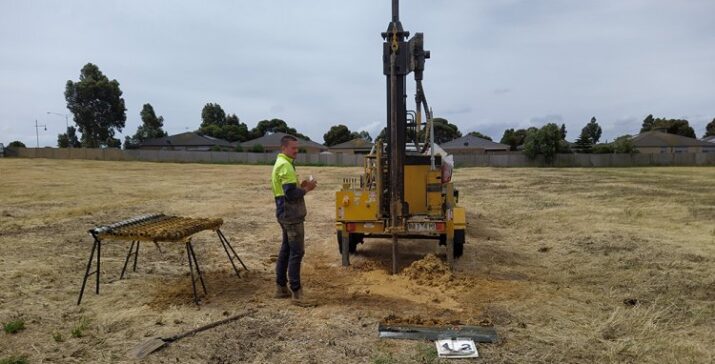
In the midst of planning a construction project? Whether you’re building a road, a bridge, a commerce centre, or a dam, the earth you’ll be working with can have a profound impact on the success of your project. Geotechnical services consist of many different types of studies and tests on a particular site that delve […]
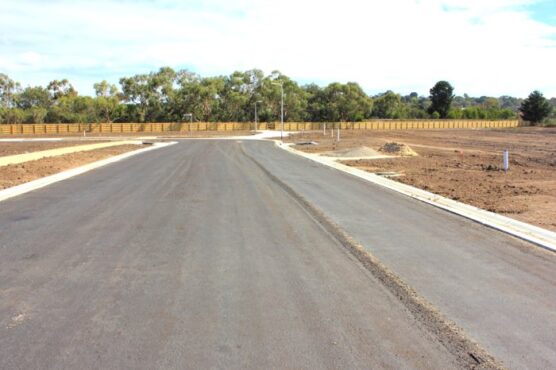
When you think of recycling, your mind might immediately go to paper or cans, but did you know recycled construction and waste materials play a strong part in pavement design in Melbourne as well? Pavement is everywhere, from our sidewalks and personal driveways to roads, construction platforms and rail trails. Expanding cities are constantly creating […]

For two decades, SITE Geotechnical Pty Ltd has been at the forefront of geotechnical engineering, providing expert investigations and recommendations that ensure strong, lasting foundations for infrastructure and development projects. Our journey from a small consulting firm to a leading geotechnical service provider in Victoria has been defined by innovation, expertise, and an unwavering commitment […]
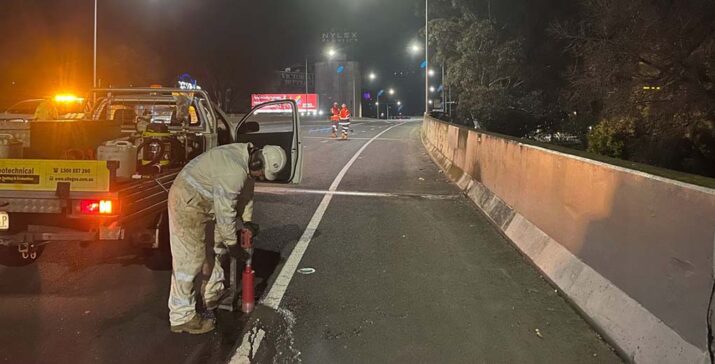
In the world of infrastructure, maintaining and upgrading pavements is a constant challenge. Victorian roads endure heavy traffic, harsh weather, and can simply wear down over time, often leading to deterioration that demands action. Historically, a full reconstruction—ripping out old pavement and starting fresh—has been the go-to solution. But there’s a smarter, more sustainable alternative: […]
 1300 557 260