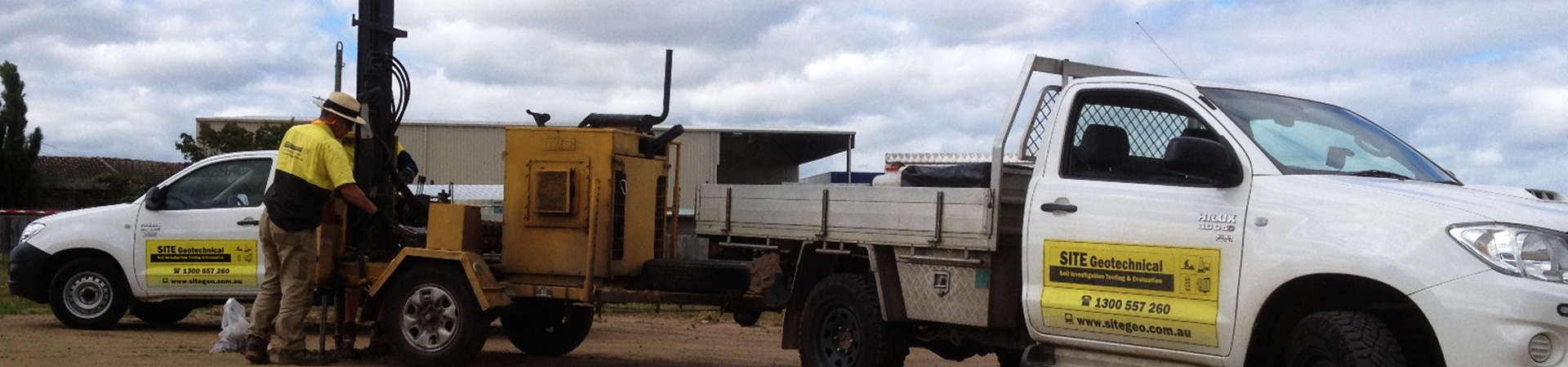

Any road or building construction project needs to start with a good understanding of what is or will be supporting it–and this means knowing a good deal of information about the soil you will be building on. Here at SITE Geotechnical, we conduct specialised soil testing in Melbourne, a process designed to ensure that your project has the best foundation possible and, if the soil is unfavourable, provide solutions that work.
The SITE Geotechnical team can both design and create stable working platforms for a subsequent slab and road construction that can be relied on. In other words, we assist in providing solutions for the current soil conditions.
So, as we’ll go on to explain, soil testing is an invaluable step if you want the construction project to last. Here’s why!
Seen buildings around with step-like cracks running up them? These distressed buildings have usually been built without much thought for the soil underneath them, and once they move, these signature cracks will start to appear. While a small amount of movement and cracking in most buildings is normal, excessive lines spiderwebbing (or worse) up the bricks of a property is not.
Soil that is causing building distress can be caused by abnormal levels of water in the soil. This could be due to poor surface drainage conditions, a lack of well-designed and installed stormwater systems (soil wetting), a proximity to trees prone to seeking out and sucking up moisture (soil drying), and pipes leaking water underground.
Fortunately, performing the right soil testing can help you determine what sort of foundation is best to help keep your structure or pavement strong and intact, should the soil move. Alternatively, it can provide informative advice on the best means of avoiding defects in your structure through various means.
Whether you’re walking on a pathway or driving on a freeway, potholes, humps, cracks, and ruts can make your journey uncomfortable, and sometimes, dangerous. In these circumstances, water underneath the soil is likely to blame. Essentially, it will typically expand and contract in the presence, or lack thereof, of water.
This effect is very noticeable in clay soils, which are more common in Melbourne’s volcanic regions and western suburbs like Geelong. However, soil testing should be performed no matter where you are because even slight cracks and defects, once formed, can escalate into more serious issues.
Find out more about building on clay soils in our blog, ‘Pavement Design for Reactive Clay Soils: Melbourne’s Challenges’.
Are you looking to construct a skatepark, a house, or an apartment building? No matter the height or weight of the structure in question, you’ll need to perform soil testing to make sure the site will be able to safely support your project.
Tests, like specialised penetration tests, bearing capacity assessments, a density measurement, and both standard or dynamic cone assessments, can provide valuable information on how much the soil can safely carry.
Water Sensitive Urban Design is an important part of many modern builds, as man-made wetlands, dams and soakage pits are increasingly incorporated into new estates to improve the water quality of rivers and creeks downstream.
Soil testing for these projects will include:
By performing these tests, WSUD can be implemented safely and in ways that won’t impact the structures surrounding these water features. Possibly consider buffer distances from important infrastructure in order to minimise damage.
It’s no surprise that, due to the supportive role they play, retaining walls, footings, and piles need to be planned thoroughly–and the first step is a range of soil testing procedures. These can include, but aren’t limited to, allowable bearing capacity, friction, density, and cohesion. In some cases, it can be helpful to undertake field and/or laboratory testing to assist in determining the various parameters of the soil in question.
These tests can assist your structural engineer in an appropriate design based on this crucial data.
Soil types and particle sizes can play an important role in the stability of your road or construction project. Understanding the soil and rock profile of an area can be done using testing methods like:
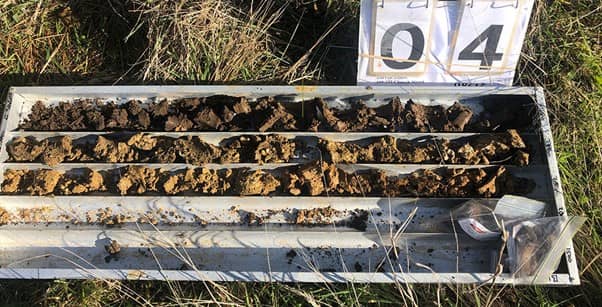
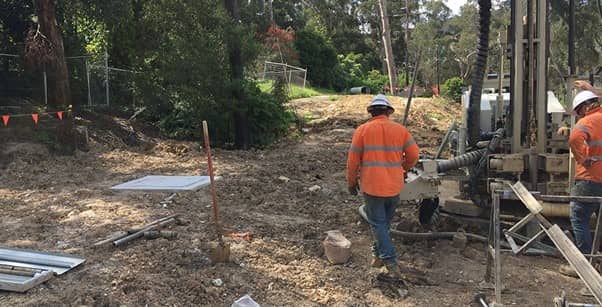
The SITE Geo team can take both disturbed and undisturbed samples by digging trial pits and trenches, and by boring and drilling using rotary core drilling and auger boring. Samples are then taken back to the laboratory and used for subsequent testing.
While soil testing for construction remains one of our most important services, SITE Geotechnical offers other useful services that can make sure your next build–whether it is for a road, sports oval, or shopping centre is designed to last.
We are your local experts for geotechnical services in Melbourne like:
We have been trusted for reliable, professional and detailed geotechnical services and reporting in Melbourne since 2005. Make sure to read through our testimonials to see what previous clients have to say about our work.
No matter what kinds of soil testing in Melbourne you need, SITE Geotechnical is the team to trust with your next construction project’s success. If you work in the civil, industrial, domestic, commercial, or road work construction industries, then make sure your project starts off on the right footing with our professional soil testing for construction.
Get started by using our online form to leave us a message, or call 1300 557 260 to speak with us during business hours about your upcoming build. With over 25 years of experience as geotechnical engineers and NATA Accreditation in Construction Materials Testing, we are the best choice for soil testing in Gippsland, the Mornington Peninsula, and all over Melbourne.
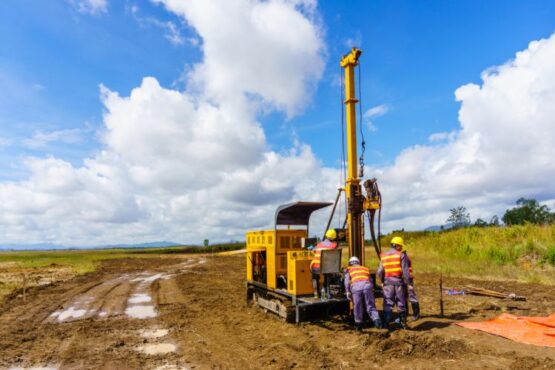
A successful building project starts with the soil foundation. Learn why conducting a geotechnical survey before construction is crucial for stability and efficiency.
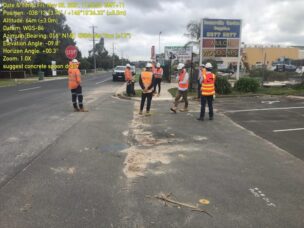
You may not think much about the pavement beneath your feet, but a great deal of planning and preparation goes into the design, creation and laying of pavement. Pavement design in particular needs a lot of careful thought, as it is used in critical infrastructure projects such as the building of major highways, warehouses, large […]
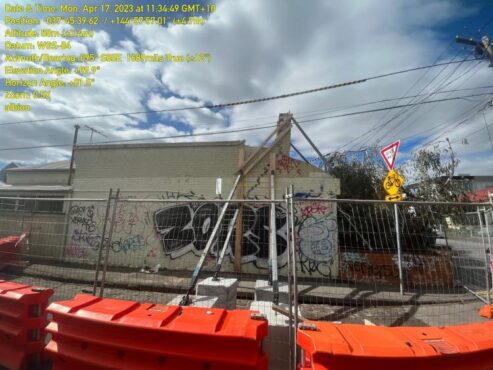
Have you noticed cracks in the walls or ceiling of a building? Are your doors or windows no longer closing easily? Small cracks are no cause for alarm, but larger ones are the signs of a distressed building, and the underlying cause needs to be looked into straight away. A distressed building will need more […]
Having the right or wrong pavement design can make millions of dollars difference in a project. That’s why it’s so important to do your pavement design correctly the first time around, and this includes choosing the right team of pavement engineers for the job. Pavement design is about more than footpaths–it actually influences all kinds […]
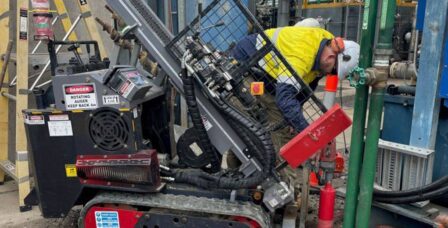
Geotechnical site investigations often involve the use of a drilling rig in a wide and open space, but what if the areas you are trying to work on have size or access constraints? In these circumstances, you’ll need access to geotechnical drilling technologies that can work for both small and large-scale infrastructure projects. This is […]
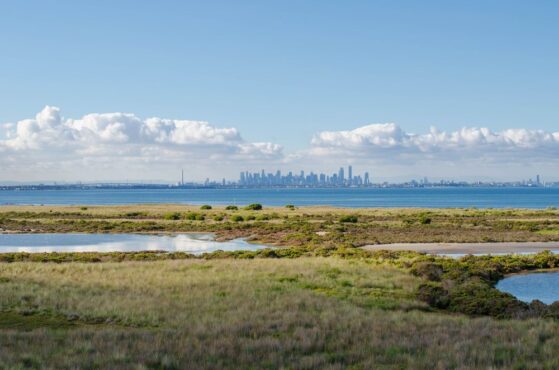
At Site Geotechnical, we understand that wetlands play an essential role in land development projects across the country. While most of our clients are already familiar with their environmental benefits, such as flood mitigation and water quality improvement, our focus is on the geotechnical considerations that can help wetlands perform reliably and sustainably. Let’s discover […]
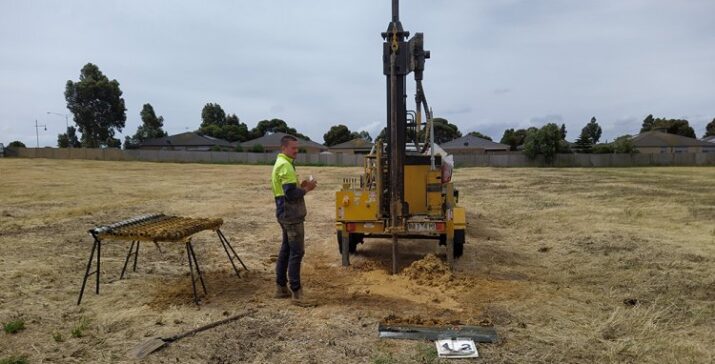
In the midst of planning a construction project? Whether you’re building a road, a bridge, a commerce centre, or a dam, the earth you’ll be working with can have a profound impact on the success of your project. Geotechnical services consist of many different types of studies and tests on a particular site that delve […]
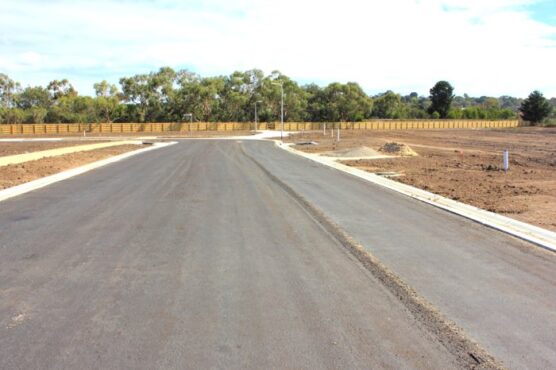
When you think of recycling, your mind might immediately go to paper or cans, but did you know recycled construction and waste materials play a strong part in pavement design in Melbourne as well? Pavement is everywhere, from our sidewalks and personal driveways to roads, construction platforms and rail trails. Expanding cities are constantly creating […]
For two decades, SITE Geotechnical Pty Ltd has been at the forefront of geotechnical engineering, providing expert investigations and recommendations that ensure strong, lasting foundations for infrastructure and development projects. Our journey from a small consulting firm to a leading geotechnical service provider in Victoria has been defined by innovation, expertise, and an unwavering commitment […]
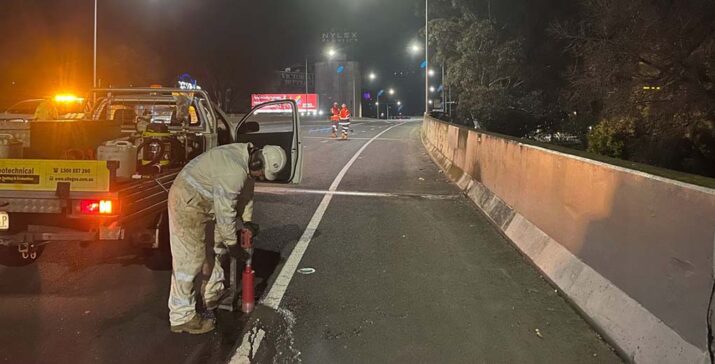
In the world of infrastructure, maintaining and upgrading pavements is a constant challenge. Victorian roads endure heavy traffic, harsh weather, and can simply wear down over time, often leading to deterioration that demands action. Historically, a full reconstruction—ripping out old pavement and starting fresh—has been the go-to solution. But there’s a smarter, more sustainable alternative: […]
 1300 557 260