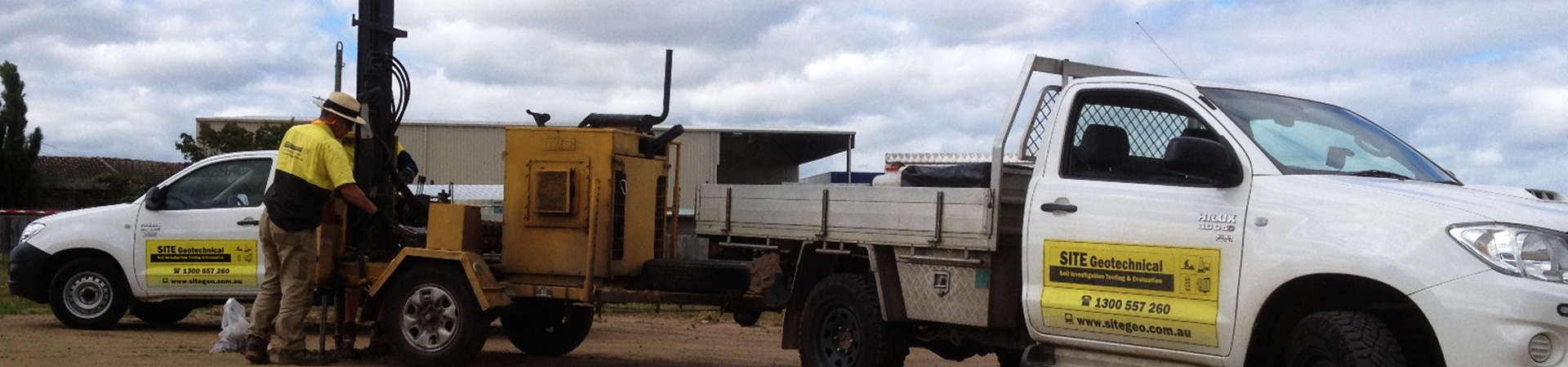

Material testing services are more important in the modern building and construction industries than many realise. If you want your road or building to last, then you’ll need to make sure it has the right foundation–and this starts with understanding of the soil conditions and the construction materials.
For example, these could be crushed rock, cement-treated crushed rock, capping layers, drainage layers or filters, stabilised soil, or foam bitumen stabilised materials.
Soil testing for construction can be used to determine many different factors about the soil and/or construction materials in question, which in turn assures that the right materials with the right properties are used and applied as per the design intentions.
This blog will explore what soil testing can be used to discover, and which tests you’ll need to organise for your upcoming project.
Soil testing involves a number of processes that have been designed by experts to make sure that any new building project, be it a road, pipeline wetland, dam, building, or hardstand, has the best foundation possible and that the materials meet specification and/or design requirements. If the tests find that the soil is unfavourable, the result should also point towards solutions that can be used to improve the soil or workarounds to nullify any negative impacts it may have on the build. Subgrade stabilisation with additives such as lime and cement are a simple example of how to improve soil characteristics to enhance their strength and improve construction conditions.
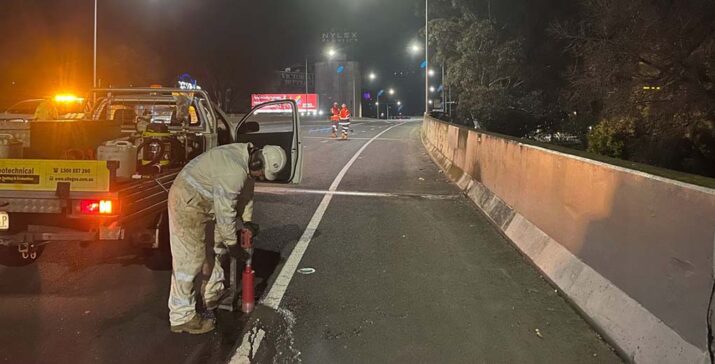
Soil testing can be performed in situ (on site) or back at a laboratory. It can be as simple as sifting through soil particles and organising them by size, or as complicated as applying remoulding the soil and undertaking load tests to gain an understanding of the soil under different conditions in a controlled environment using specialised lab equipment.
Go without soil testing, and your roadwork or construction project could suffer from:
All of which can mean you need to spend extra money making repairs on unsightly defects such as cracking and/or settlement, blowing out your budget and expected timeframe.
On the other hand, organising professional material testing services for your project can result in a build that has a smoother process, lasts longer, requires minimal maintenance and needs fewer repairs down the road.
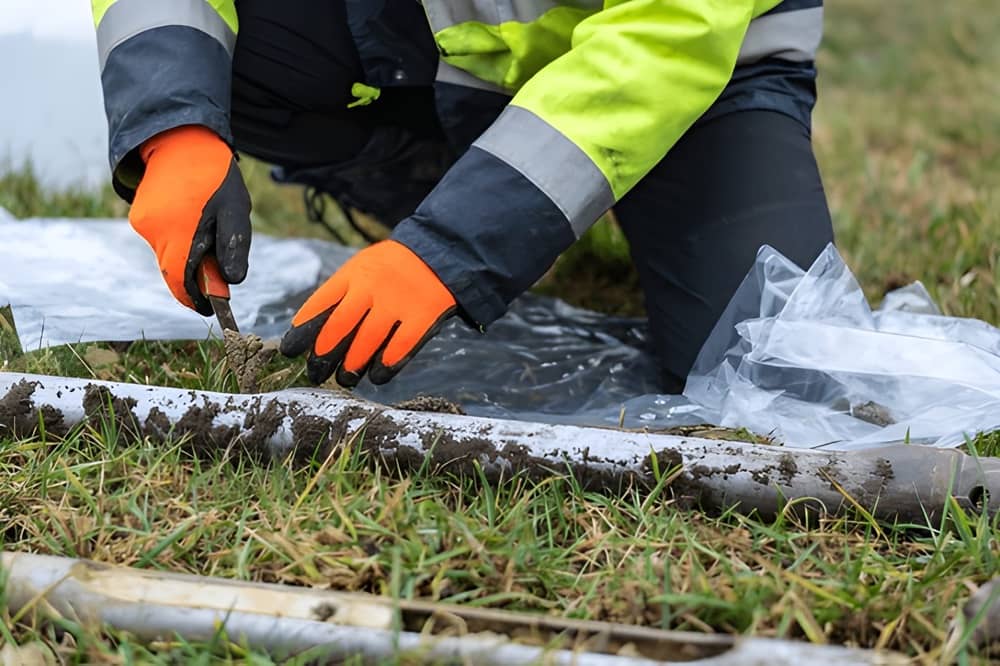
At SITE Geotechnical, our engineers can test for a variety of factors in your soil. Whether you need soil testing for construction projects in the Melbourne CBD or out in the suburbs, you can trust our team to find out the information you need about your project’s foundation!
Here is what we can find out with the right geotechnical service:
By taking a mix of disturbed soil samples, we can determine the type of soil you will be building on and help classify the soil type for your project. For example, clay particles cannot be seen with the naked eye versus gravel that can obviously be seen and measured. We can do this by:
We can also explore the different-sized particles of the soil in question by performing a sieve analysis. Very small particles will behave differently from larger rocks when built upon, so it’s vital, you know what is most common at your project site!
Water in your soil can greatly affect the stability and quality of anything built on top, whether it’s a simple pathway or a three-storey building. If soil becomes too wet or too dry (due to factors like nearby vegetation, leaking pipes, stormwater systems, or overflowing waterways), it can expand and contract, causing defects to structures through differential movement that can cause damage. This leads to the staircase-shaped cracks you sometimes see on the walls of buildings or various cracks, like longitudinal cracking within roads.
We can test for various properties through soil testing methods like:
Concerned that the slope you intend to build on may be unstable? You’ll need to organise a landslide risk assessment. These are commonly needed for builds performed in areas having steep terrain or within Erosion Management Overlays throughout Victoria, and can be needed for everything from housing developments and pipelines to roads and railways.
Designers also need to consider if their project will be at risk of landslides. An in-depth landslide investigation can help with:
A bearing capacity assessment can be used to see if the soil at your construction site will be able to handle the structure you intend to build–very important if you want to be able to use the property in question safely and see long-term good performance.
We can perform standard penetrometer tests and dynamic cone assessments to provide you with important information on how much the soil at your site can safely carry.
Whether you need soil testing on the Mornington Peninsula, in Gippsland, or anywhere else in Melbourne or Victoria for that matter, you can trust SITE Geotechnical for in-depth, efficient material testing services. Our detailed examinations and in-depth reports will allow your project’s construction to progress unimpeded by surprises in the soil. Good investigation and planning will often lead to great performance.
Our team has a combined experience in geotechnical engineering of 80+ years, and we have been successfully performing a range of geotechnical services in Melbourne and throughout Victoria since 2005.
For examples of our projects, how we’ve approached them, and what kinds of equipment we use, please go through our case studies page.
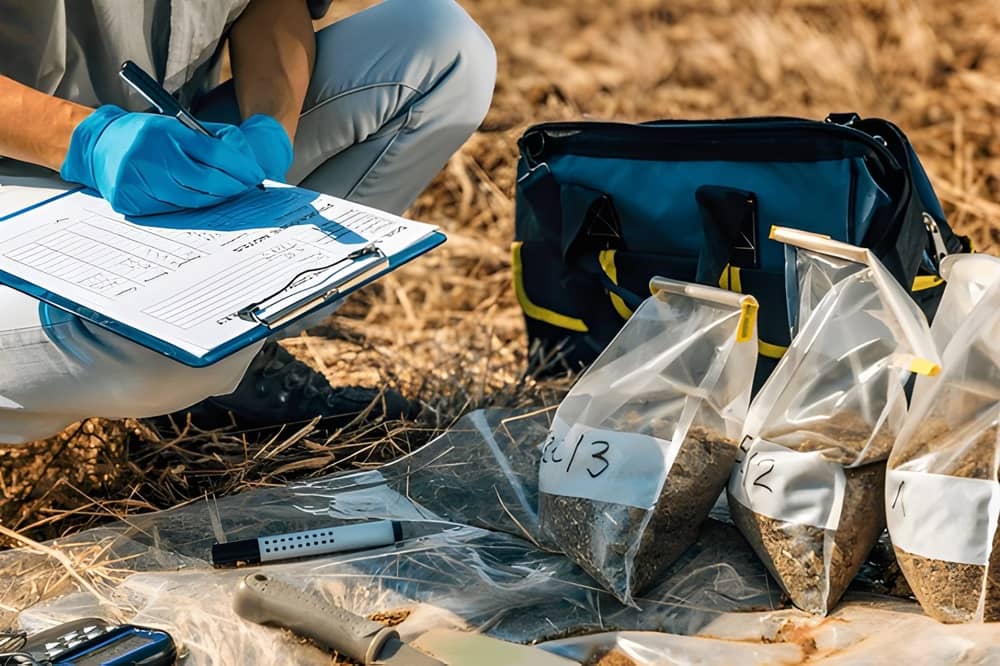
Every construction project needs to start off with a strong and stable foundation. Make sure yours does by engaging with SITE Geotechnical for any soil testing in Melbourne and throughout Victoria you need! You can contact us by calling 1300 557 260, or use our online form to leave us a message regarding the soil testing services you require.
SITE Geotechnical can perform a wide range of Geotechnical services in Mernda, Donnybrook, Taylor’s Hill, and all across eastern Melbourne.
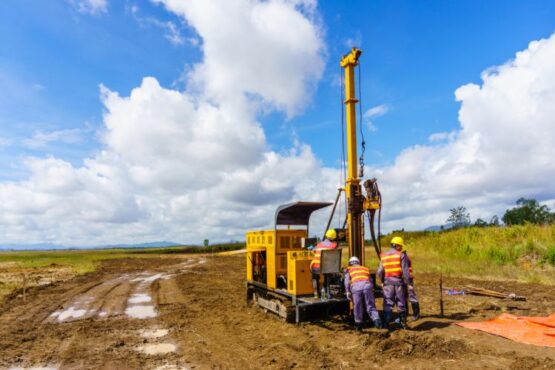
A successful building project starts with the soil foundation. Learn why conducting a geotechnical survey before construction is crucial for stability and efficiency.
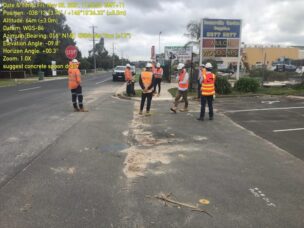
You may not think much about the pavement beneath your feet, but a great deal of planning and preparation goes into the design, creation and laying of pavement. Pavement design in particular needs a lot of careful thought, as it is used in critical infrastructure projects such as the building of major highways, warehouses, large […]
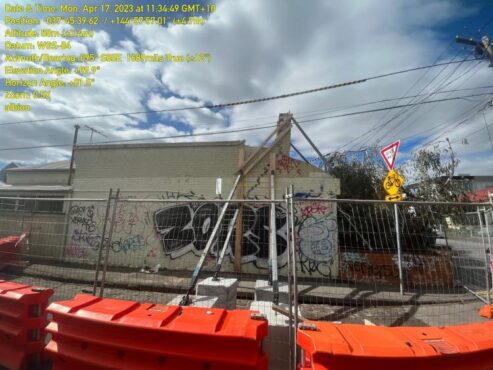
Have you noticed cracks in the walls or ceiling of a building? Are your doors or windows no longer closing easily? Small cracks are no cause for alarm, but larger ones are the signs of a distressed building, and the underlying cause needs to be looked into straight away. A distressed building will need more […]
Having the right or wrong pavement design can make millions of dollars difference in a project. That’s why it’s so important to do your pavement design correctly the first time around, and this includes choosing the right team of pavement engineers for the job. Pavement design is about more than footpaths–it actually influences all kinds […]
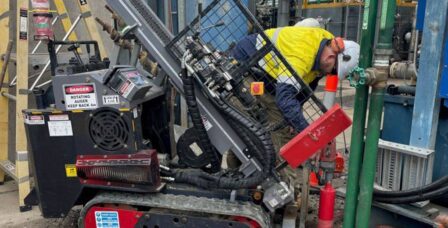
Geotechnical site investigations often involve the use of a drilling rig in a wide and open space, but what if the areas you are trying to work on have size or access constraints? In these circumstances, you’ll need access to geotechnical drilling technologies that can work for both small and large-scale infrastructure projects. This is […]
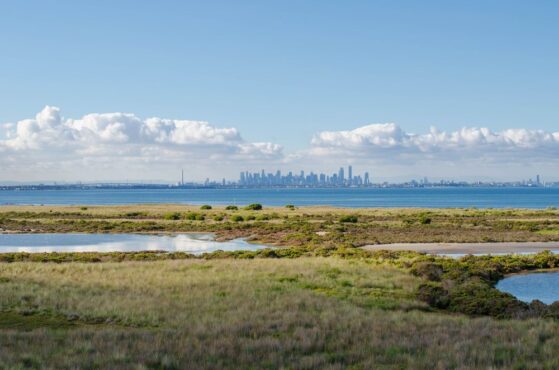
At Site Geotechnical, we understand that wetlands play an essential role in land development projects across the country. While most of our clients are already familiar with their environmental benefits, such as flood mitigation and water quality improvement, our focus is on the geotechnical considerations that can help wetlands perform reliably and sustainably. Let’s discover […]
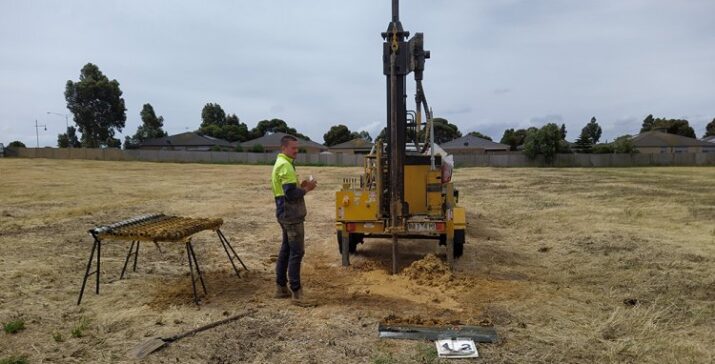
In the midst of planning a construction project? Whether you’re building a road, a bridge, a commerce centre, or a dam, the earth you’ll be working with can have a profound impact on the success of your project. Geotechnical services consist of many different types of studies and tests on a particular site that delve […]
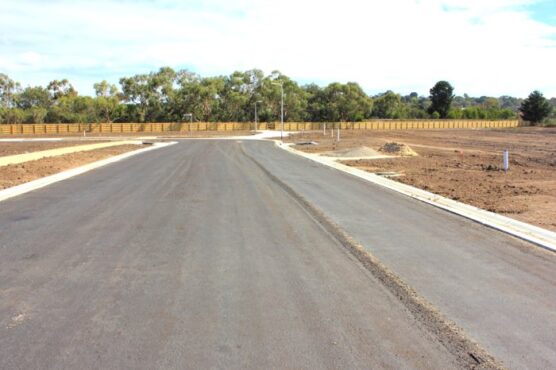
When you think of recycling, your mind might immediately go to paper or cans, but did you know recycled construction and waste materials play a strong part in pavement design in Melbourne as well? Pavement is everywhere, from our sidewalks and personal driveways to roads, construction platforms and rail trails. Expanding cities are constantly creating […]
For two decades, SITE Geotechnical Pty Ltd has been at the forefront of geotechnical engineering, providing expert investigations and recommendations that ensure strong, lasting foundations for infrastructure and development projects. Our journey from a small consulting firm to a leading geotechnical service provider in Victoria has been defined by innovation, expertise, and an unwavering commitment […]
In the world of infrastructure, maintaining and upgrading pavements is a constant challenge. Victorian roads endure heavy traffic, harsh weather, and can simply wear down over time, often leading to deterioration that demands action. Historically, a full reconstruction—ripping out old pavement and starting fresh—has been the go-to solution. But there’s a smarter, more sustainable alternative: […]
 1300 557 260