Rough roads annoy us. Driving on paved roads that have potholes or cracking and other types of defects are not only uncomfortable but they risk severe damage to our cars. Paved roads are designed and built with the intention of lasting a long time, but sometimes, due to certain conditions, they fail sooner than expected.
SITE Geotechnical has a range of pavement investigation techniques that can help solve the mystery of why roads sometimes fail sooner than expected. In this article we’ll share with you the common reasons for paved roads to fail and the ways we investigate to discover the reasons behind these failures.
With all the variables in the world that can cause things to fail, there are surprisingly few ways for roads to fail. This is a good thing as it means we have a more focused window of investigation to discover the why of a situation.
Poor drainage can allow water to pool beneath a road and saturate the subgrade and base. This can weaken the load-bearing capacity of the road.
Also, poor drainage can cause erosion from water runoff beneath the roadbed. This can cause sinkholes or other structural damage and possible road collapse.
Excessive moisture can weaken materials good drainage and dry conditions often lead to better performance in the long term.
A lack of thorough research and planning could mean that the road that was laid is inappropriate for the type of traffic that uses it. More often than not, it’s a case of a high number of heavy vehicles using the road that’s causing stress and fatigue cracking. The road was intended for car use and light traffic, not heavy vehicles.
Lighter traffic roads often are thinner in construction than heavy traffic roads. This can cause cracking and quick failure of the road if a lot of heavier traffic uses the road.
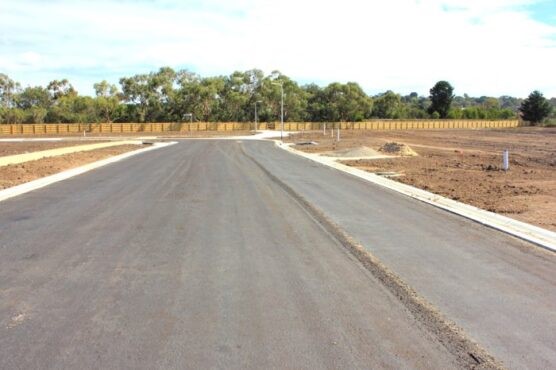
Sometimes the wrong mix of asphalt and concrete is used, and they don’t bind well. This can lead to cracking and crumbling of the road surface.
If there is insufficient compaction of the base layer, this can lead to voids beneath the surface which can reduce pavement strength and produce potholes.
Temperature fluctuations can impact the quality of the road surface. In Australia, extreme heat can soften asphalt causing it to melt, or expand and crack. In the colder climates, the freeze-thaw cycle can also crack the road surface.
UV radiation also breaks down asphalt over time, making it brittle and prone to cracking, hence some form of perpetual maintenance is recommended as they say “a stitch in time will save nine”
Certain kinds of soils must be removed before laying a road base due to their instability. Topsoil, organic soils, and peat are the culprits. If a road is laid upon these types of soil it can become unstable and be difficult if not impossible to construct on..
Poorly constructed or maintained roads suffer four common styles of failure.
1. Cracking. This is the most common form of road failure and is easy to spot.
a. Alligator or Crocodile cracking (or fatigue cracking) shows up as a web of interconnected cracks that look like alligator skin or chicken wire. This pattern appears when pavement fails structurally due to repeated heavy loads passing over it (normally subgrade failure).
b. Longitudinal cracks run parallel to the traffic. This type of cracking is usually the fault of poor construction joints or environmental or seasonal shrink – swell movement of underlying expansive subgrade.
c. Transverse cracking are cracks perpendicular to the traffic flow, usually caused by poor construction joints or changes in the pavement or subgrade.
d. Block Cracking that segments the road into square or rectangular blocks. Often a result of shrinking due to environmental damage normally associated with cemented materials.
2. Surface Deformation where a subsurface layer of the road weakens which causes the road surface to shift.
a. Rutting are longitudinal valleys that form in the wheel tracks of repeated traffic.
b. Corrugations are transverse waves or ripples on the pavement surface. These are caused by braking and acceleration which move the road surface.
c. Depressions and swelling can occur from soil settlement or poor compaction of the subsurface layers.
3. Disintegration is the breakup of the road surface into small pieces. This often occurs when water gets into existing cracks and, through expansion and evaporation, widens them until the pavement becomes pebbled.
a. Potholes are the most obvious example of this, where a large chunk of road has become dislodged, leaving a hole in the road.
b. Raveling is the wearing away of the road surface due to the loss of asphalt and the constant movement of tyres across the surface.
c. Stripping is the loss of bond between layers, often due to water damage.
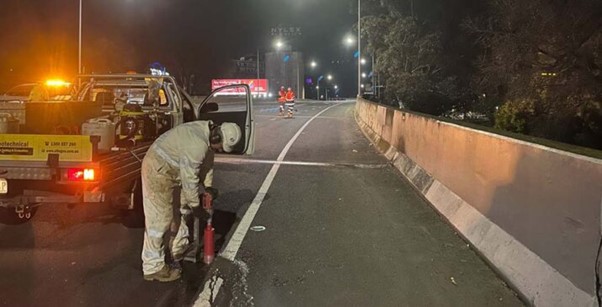
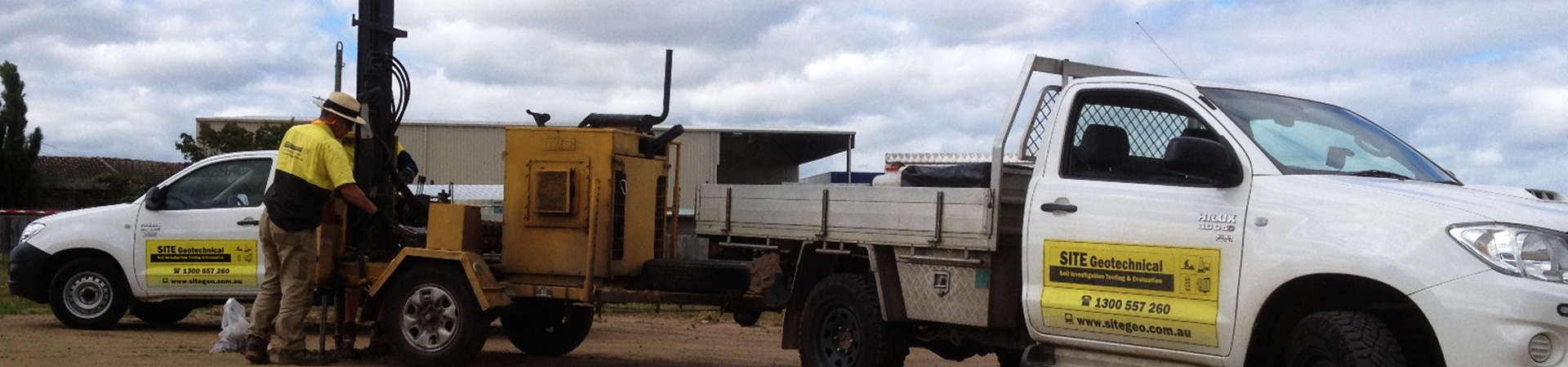
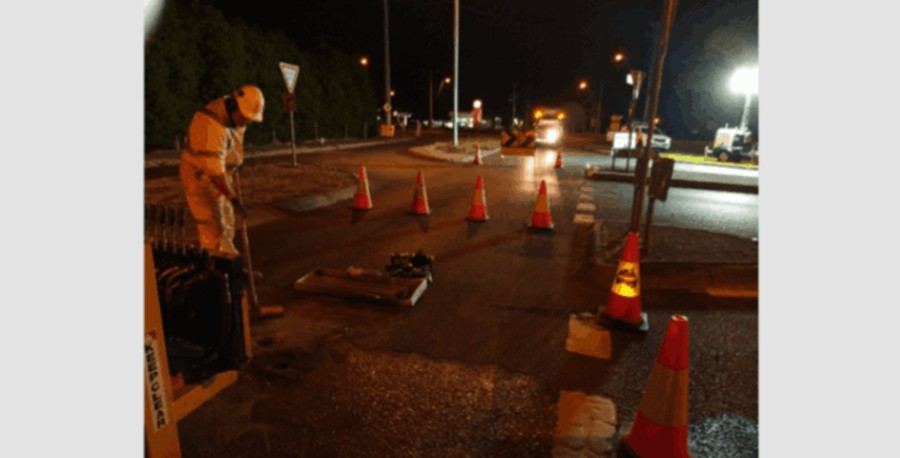
After the initial consultation and conversations with you, we head out for a visual inspection of the impacted area(s) to determine which of the five investigation techniques will deliver the best results. We produce detailed reports for our customers, and to do that we need to investigate correctly and thoroughly.
SITE Geotechnical has many years of experience with engineering projects. We are industry leading professionals when it comes to soil testing and investigation, and finding out why infrastructure be it a road or other structure if not meeting the intended design life..
We are active throughout Victoria and can help investigate problems with roadways in rural Victoria, such the Gippsland area out in the east and the Mornington Peninsula down the south east, Tarneit in the west and Donnybrook in the north.
If you have a project that involves the installation of roads or carparks, and you want to ensure your paved areas last a long time, get us involved before the cracks start to appear.
Contact us now for a free quote. Let’s ensure the foundations of your project are strong so that nothing falls down around you or beneath your feet.
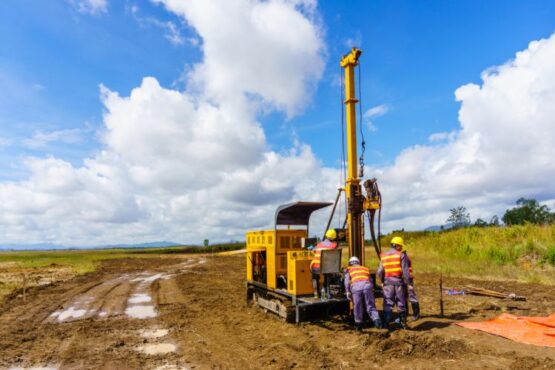
A successful building project starts with the soil foundation. Learn why conducting a geotechnical survey before construction is crucial for stability and efficiency.
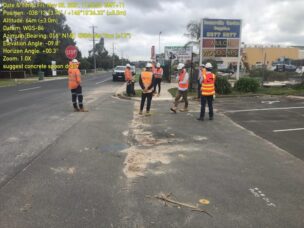
You may not think much about the pavement beneath your feet, but a great deal of planning and preparation goes into the design, creation and laying of pavement. Pavement design in particular needs a lot of careful thought, as it is used in critical infrastructure projects such as the building of major highways, warehouses, large […]
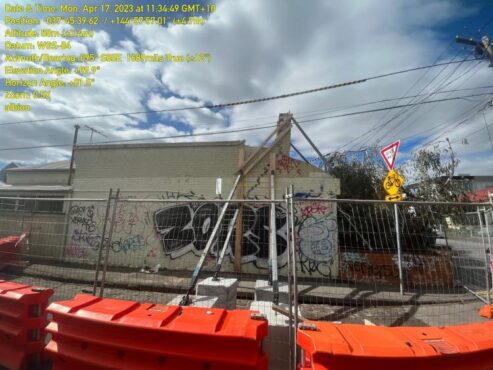
Have you noticed cracks in the walls or ceiling of a building? Are your doors or windows no longer closing easily? Small cracks are no cause for alarm, but larger ones are the signs of a distressed building, and the underlying cause needs to be looked into straight away. A distressed building will need more […]
Having the right or wrong pavement design can make millions of dollars difference in a project. That’s why it’s so important to do your pavement design correctly the first time around, and this includes choosing the right team of pavement engineers for the job. Pavement design is about more than footpaths–it actually influences all kinds […]
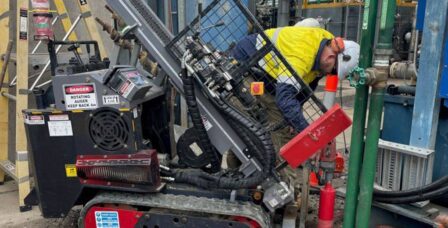
Geotechnical site investigations often involve the use of a drilling rig in a wide and open space, but what if the areas you are trying to work on have size or access constraints? In these circumstances, you’ll need access to geotechnical drilling technologies that can work for both small and large-scale infrastructure projects. This is […]
At Site Geotechnical, we understand that wetlands play an essential role in land development projects across the country. While most of our clients are already familiar with their environmental benefits, such as flood mitigation and water quality improvement, our focus is on the geotechnical considerations that can help wetlands perform reliably and sustainably. Let’s discover […]
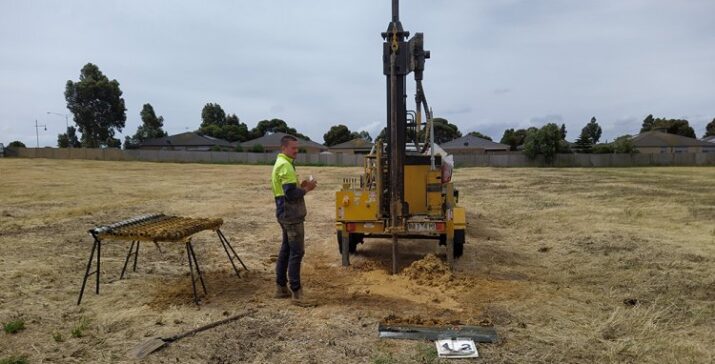
In the midst of planning a construction project? Whether you’re building a road, a bridge, a commerce centre, or a dam, the earth you’ll be working with can have a profound impact on the success of your project. Geotechnical services consist of many different types of studies and tests on a particular site that delve […]
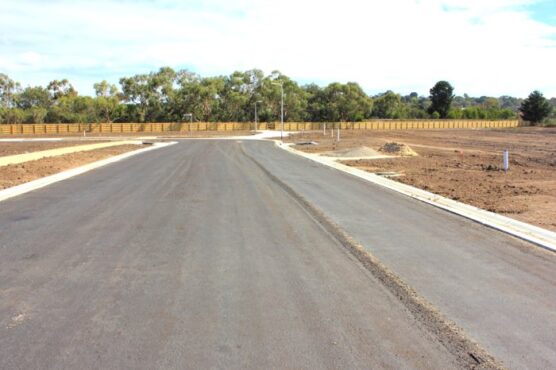
When you think of recycling, your mind might immediately go to paper or cans, but did you know recycled construction and waste materials play a strong part in pavement design in Melbourne as well? Pavement is everywhere, from our sidewalks and personal driveways to roads, construction platforms and rail trails. Expanding cities are constantly creating […]
For two decades, SITE Geotechnical Pty Ltd has been at the forefront of geotechnical engineering, providing expert investigations and recommendations that ensure strong, lasting foundations for infrastructure and development projects. Our journey from a small consulting firm to a leading geotechnical service provider in Victoria has been defined by innovation, expertise, and an unwavering commitment […]
In the world of infrastructure, maintaining and upgrading pavements is a constant challenge. Victorian roads endure heavy traffic, harsh weather, and can simply wear down over time, often leading to deterioration that demands action. Historically, a full reconstruction—ripping out old pavement and starting fresh—has been the go-to solution. But there’s a smarter, more sustainable alternative: […]
 1300 557 260