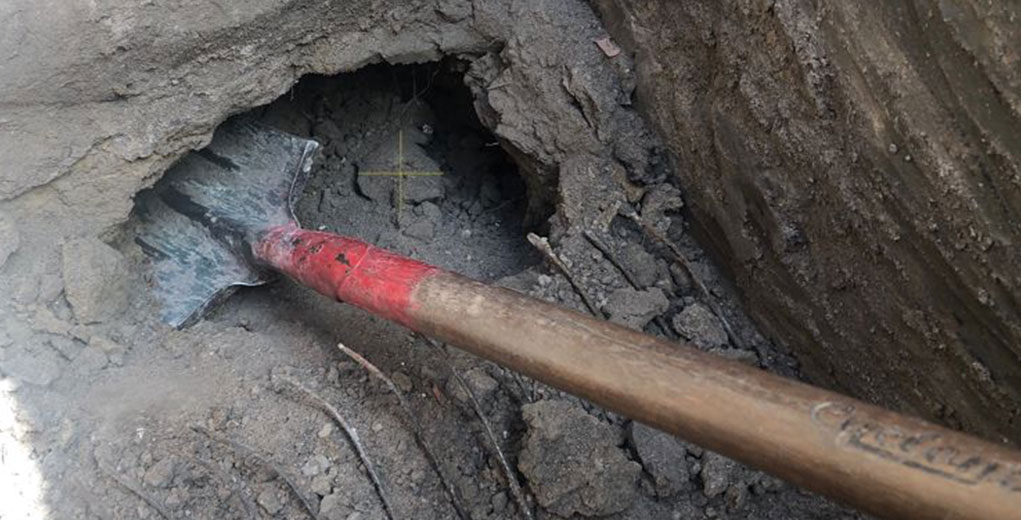
Sinkholes can appear seemingly without warning. Suddenly, they’re swallowing up roads and homes in an instant and causing a major safety hazard. While the news may report a sinkhole suddenly appearing, the truth is they’ve likely been growing slowly underground for some time. By the time a sinkhole forms and the earth falls into it, the ground in and around the area is both unstable and dangerous.
Ground subsidence and instability are more common than you realise. Melbourne’s varied soil conditions mean that sinkhole risk is real, and is a concern for property owners all over this great state of Victoria. The consequences of undetected ground movement can be severe, from voids that form beneath roads and the shifting soils beneath a house causing potential collapse.
A professional geotechnical investigation by SITE Geotechnical is the most reliable way to truly know the risk you have of a sinkhole on your land. We can help you understand what’s happening beneath the surface, and help identify signs that happen above the surface as well.
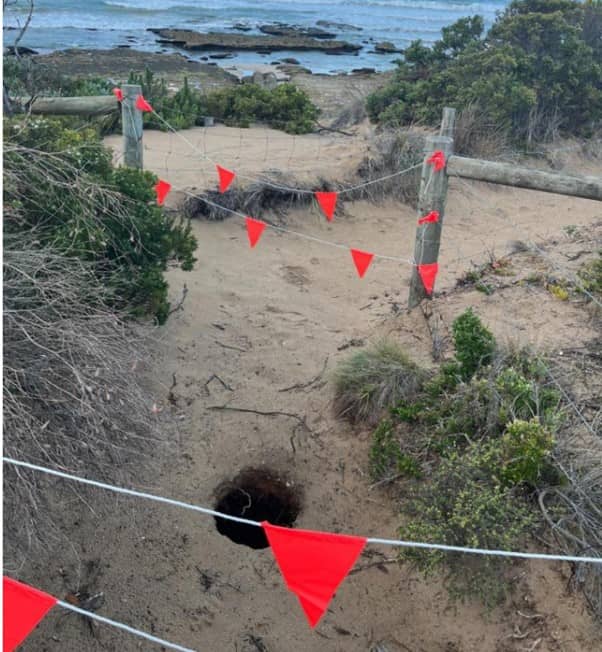
A sinkhole is a depression or a hole in the ground caused by the collapse of the surface underneath. This collapse is usually caused by water dissolving soluble rock, such as limestone, salt or gypsum. Or it is caused by the erosion of subsurface soils.
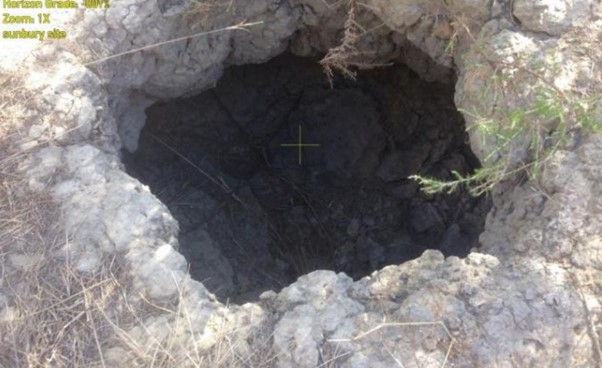
While the process of forming a sinkhole can form over a short period in cases where soil can be easily transported via some form of conduit (such as a stormwater pipe) or take a long time, the sinkhole itself will often open up usually as a small hole to start with and eventually open up abruptly and poses a significant danger to person and property.
There are three main kinds of sinkholes, categorised by the way they form. They differ in how quickly they form and if they involve bedrock dissolution or soil collapse.
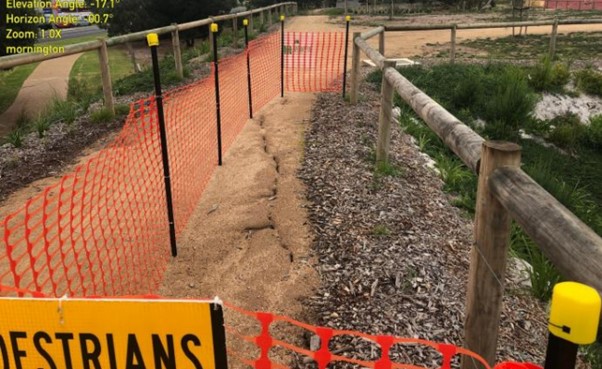
The common causes of sinkholes in and around Melbourne include:
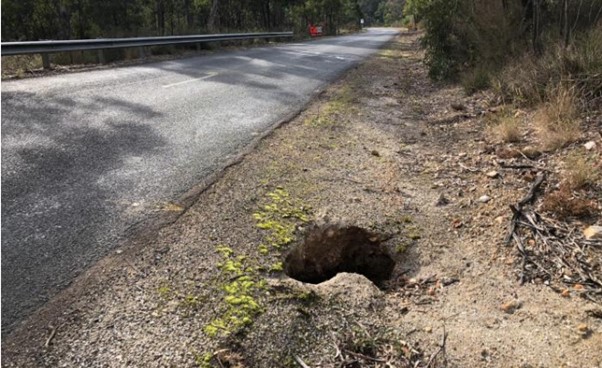
There are signs you can pick up on, above ground, that would indicate the formation of a sinkhole below ground. Leaning trees or fenceposts, new and long-lasting puddles, or ponds, that form after rainfall. Knowing the signs is helpful in preventing property loss or injury.
SITE Geo has a 3-step process when it comes to investigating your site for sinkholes.
If you have noticed any of the signs mentioned in this article- cracks in your foundation, doors and windows getting stuck, trees and fence posts all leaning in on each other, you must not ignore them. While it might seem like a minor inconvenience right now it could quite easily be a sign of something more serious happening below the ground.
Act quickly. Keep away from the affected area as more activity will accelerate the process. Rope it off if you can, and call SITE Geotechnical so we can investigate what is going on below the grass, and determine what needs to be done to fix it.
SITE Geotechnical has been helping property owners and building developers all over Melbourne, and greater Victoria, understand what lies beneath their feet for over 20 years. Our three-step investigation process gives you a clear picture of the ground conditions on your property and what risk you have for deterioration and sinkholes.
Sinkholes are not something you should leave to chance. They can bring large scale destruction to life and property if left unchecked or undiscovered. You simply must have SITE Geotechnical investigate your property before you build, to ensure your safety and the success of your build. Call 1300 557 260 or send us an email to discuss your needs and to get an obligation-free quote from us.
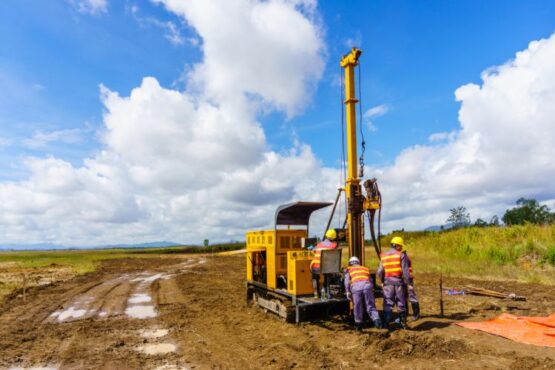
A successful building project starts with the soil foundation. Learn why conducting a geotechnical survey before construction is crucial for stability and efficiency.
You may not think much about the pavement beneath your feet, but a great deal of planning and preparation goes into the design, creation and laying of pavement. Pavement design in particular needs a lot of careful thought, as it is used in critical infrastructure projects such as the building of major highways, warehouses, large […]
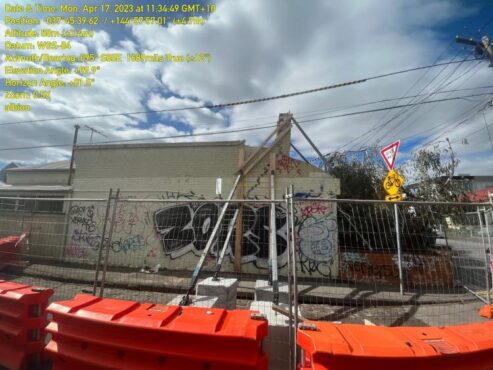
Have you noticed cracks in the walls or ceiling of a building? Are your doors or windows no longer closing easily? Small cracks are no cause for alarm, but larger ones are the signs of a distressed building, and the underlying cause needs to be looked into straight away. A distressed building will need more […]
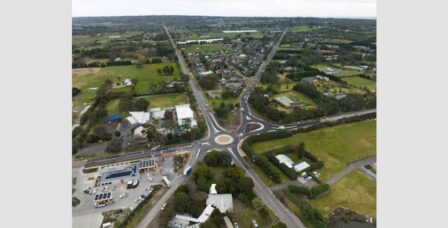
Having the right or wrong pavement design can make millions of dollars difference in a project. That’s why it’s so important to do your pavement design correctly the first time around, and this includes choosing the right team of pavement engineers for the job. Pavement design is about more than footpaths–it actually influences all kinds […]
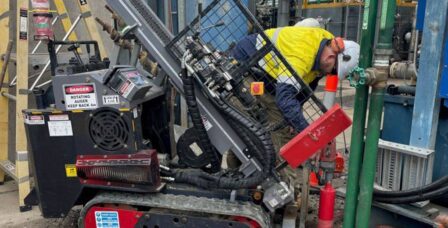
Geotechnical site investigations often involve the use of a drilling rig in a wide and open space, but what if the areas you are trying to work on have size or access constraints? In these circumstances, you’ll need access to geotechnical drilling technologies that can work for both small and large-scale infrastructure projects. This is […]
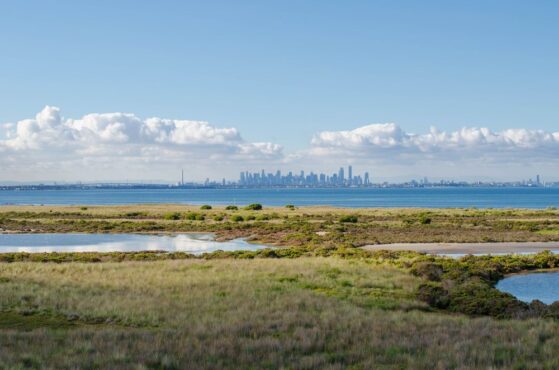
At Site Geotechnical, we understand that wetlands play an essential role in land development projects across the country. While most of our clients are already familiar with their environmental benefits, such as flood mitigation and water quality improvement, our focus is on the geotechnical considerations that can help wetlands perform reliably and sustainably. Let’s discover […]
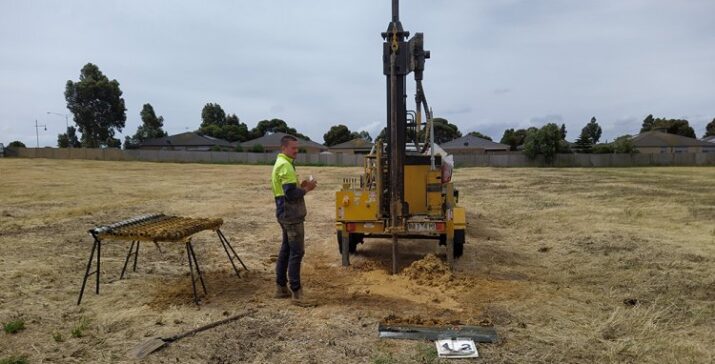
In the midst of planning a construction project? Whether you’re building a road, a bridge, a commerce centre, or a dam, the earth you’ll be working with can have a profound impact on the success of your project. Geotechnical services consist of many different types of studies and tests on a particular site that delve […]
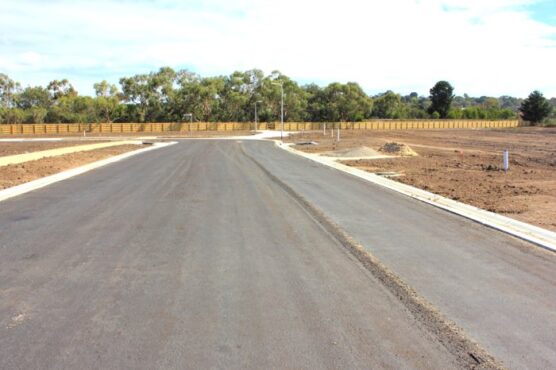
When you think of recycling, your mind might immediately go to paper or cans, but did you know recycled construction and waste materials play a strong part in pavement design in Melbourne as well? Pavement is everywhere, from our sidewalks and personal driveways to roads, construction platforms and rail trails. Expanding cities are constantly creating […]
For two decades, SITE Geotechnical Pty Ltd has been at the forefront of geotechnical engineering, providing expert investigations and recommendations that ensure strong, lasting foundations for infrastructure and development projects. Our journey from a small consulting firm to a leading geotechnical service provider in Victoria has been defined by innovation, expertise, and an unwavering commitment […]
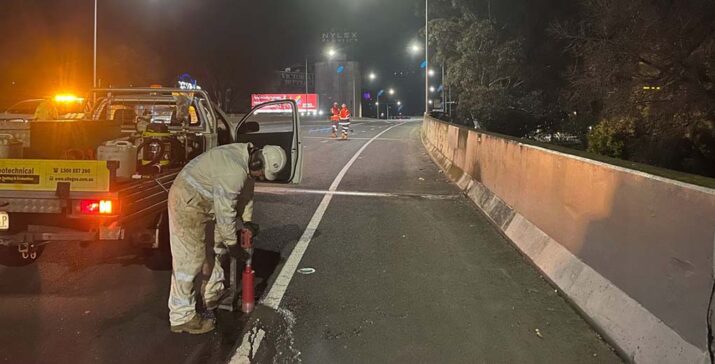
In the world of infrastructure, maintaining and upgrading pavements is a constant challenge. Victorian roads endure heavy traffic, harsh weather, and can simply wear down over time, often leading to deterioration that demands action. Historically, a full reconstruction—ripping out old pavement and starting fresh—has been the go-to solution. But there’s a smarter, more sustainable alternative: […]
 1300 557 260